Complete Comparison Guide for Hardware Crypto Wallet and Storage Options
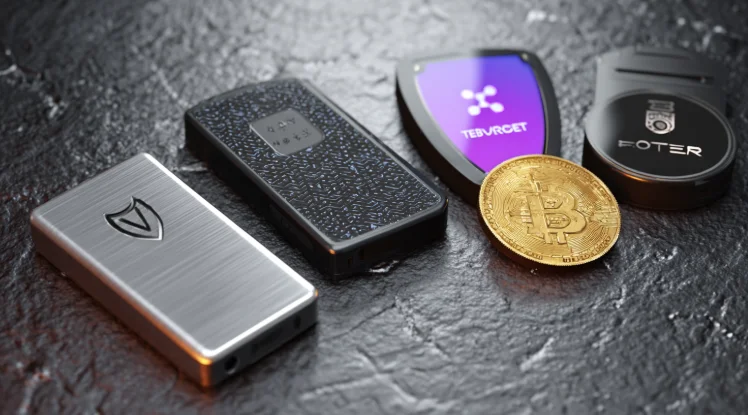
Navigating cryptocurrency storage options requires understanding both terminology and fundamental security differences between available approaches. The market offers everything from free software wallets to premium hardware devices, each with distinct security profiles, convenience trade-offs, and appropriate use cases. Making informed decisions requires cutting through marketing claims to examine actual protection mechanisms and vulnerability exposure.
This comprehensive guide clarifies the hardware wallet vs cold wallet distinction that confuses many investors, provides detailed ledger hardware wallet vs exodus comparison revealing why these categories differ fundamentally, and examines how various hardware crypto wallet options compare across essential criteria. Whether you're selecting your first storage solution or optimizing an existing strategy, this analysis provides the framework for confident decision-making.
Hardware Wallet vs Cold Wallet Terminology Clarified
The terms "hardware wallet" and "cold wallet" often appear interchangeably in cryptocurrency discussions, creating confusion about what each actually means. Understanding the relationship between these categories helps investors evaluate options accurately and select appropriate solutions for their specific needs.
Understanding the relationship between these storage categories
Cold storage refers to any cryptocurrency storage method keeping private keys completely offline, isolated from internet-connected environments where remote attacks occur. The defining characteristic is network isolation—cold storage never exposes keys to online threats regardless of the specific implementation method used.
Hardware wallets represent one category of cold storage implementation, using dedicated physical devices to generate, store, and sign with private keys. However, not all hardware devices automatically qualify as cold storage—the classification depends on how they connect and whether keys ever face network exposure during normal operation.
The hardware wallet vs cold wallet relationship is hierarchical: all properly implemented hardware wallets function as cold storage, but cold storage encompasses broader options beyond hardware devices. Paper wallets, air-gapped computers, and steel seed backups all qualify as cold storage without being hardware wallets. Understanding this distinction prevents confusion when evaluating different storage approaches.
When hardware devices qualify as cold storage solutions
Hardware crypto wallet devices qualify as cold storage when their architecture maintains private key isolation from internet-connected systems throughout all operations. The key criterion is whether private keys ever leave the secure environment or face network exposure during transaction signing.
Quality hardware wallets incorporate Secure Element chips that generate and store keys internally, performing transaction signing within the protected environment. When you initiate a transaction, unsigned data enters the device, signing occurs using keys that never leave the chip, and only completed signatures emerge for network broadcast. This architecture maintains cold storage properties throughout the entire transaction lifecycle.
Some hardware devices blur this distinction through design choices affecting security classification. Devices transmitting key data over wireless connections without proper isolation, or those requiring software that exposes keys during signing, may not qualify as true cold storage despite hardware form factors. Evaluating specific implementations matters more than product category labels.
Why terminology confusion leads to security misunderstandings
Misunderstanding hardware wallet vs cold wallet terminology leads investors to make security decisions based on incorrect assumptions. Someone believing any hardware device automatically provides cold storage protection might overlook critical architectural differences affecting actual security levels achieved.
The confusion extends to software wallet marketing that claims "cold storage features" through mechanisms like extended private key encryption or delayed signing. These features improve software wallet security incrementally but don't achieve the fundamental protection that true cold storage provides through network isolation.
Accurate terminology matters because security decisions should reflect actual protection mechanisms rather than product marketing. A hardware crypto wallet with proper Secure Element isolation provides genuinely different protection than a software wallet with enhanced security features—understanding this distinction enables appropriate solution selection based on actual requirements.
Ledger Hardware Wallet vs Exodus Security Comparison
Comparing Ledger hardware devices against Exodus software wallet illustrates fundamental differences between hardware and software storage approaches. This ledger hardware wallet vs exodus analysis reveals why these options serve different purposes despite both enabling cryptocurrency management.
Fundamental architectural differences affecting vulnerability exposure
Ledger devices store private keys within isolated Secure Element chips—specialized hardware designed specifically for cryptographic protection. These chips never expose raw key data to connected computers or companion software. Transaction signing occurs entirely within the protected environment, with only completed signatures emerging for network broadcast regardless of connected system security status.
Exodus stores private keys within device memory on computers or smartphones running the wallet application. While Exodus encrypts keys and implements security measures, the keys exist within general-purpose operating systems alongside countless other applications. This architectural difference fundamentally affects vulnerability exposure throughout normal operation.
The ledger hardware wallet vs exodus distinction centers on attack surface. Ledger's isolated architecture means compromising connected computers cannot extract keys from the hardware device. Exodus's integrated approach means malware, operating system vulnerabilities, or application exploits on the host device potentially expose private keys despite encryption and security features.
Private key storage location and protection mechanisms compared
Ledger's Secure Element provides hardware-level isolation certified through independent testing. Common Criteria evaluations at EAL5+ and EAL6+ levels verify attack resistance against sophisticated extraction attempts including power analysis, fault injection, and physical probing. Keys generate within this environment and never leave in exposed form under any circumstances.
Exodus protects keys through software encryption using passwords users create during wallet setup. While strong encryption provides meaningful protection against casual access, the keys exist as encrypted files within standard file systems accessible to any software running with sufficient privileges on the host device.
This protection mechanism difference proves significant during malware scenarios. Keyloggers can capture Exodus passwords during entry, enabling decryption of stored keys. Advanced malware can extract encrypted key files and attempt offline decryption. Neither attack vector affects Ledger hardware because keys never exist in any form accessible to connected system software.
Attack surface analysis between hardware and software approaches
Software wallets like Exodus face attack surfaces expanding with every application installed on host devices. Browser vulnerabilities, malicious downloads, compromised updates, and countless other vectors potentially expose the operating environment where keys reside. Each software component represents potential exploitation opportunity.
Hardware crypto wallet attack surfaces remain minimal by design. The Secure Element runs specialized firmware handling only essential cryptographic operations without general-purpose functionality creating additional vulnerability. Physical device possession represents the primary attack requirement—remote attackers face fundamental barriers regardless of sophistication.
The ledger hardware wallet vs exodus attack surface comparison reveals why security experts consistently recommend hardware solutions for significant holdings. Software wallets provide adequate security for limited amounts users consciously accept risking, while hardware solutions protect holdings intended for long-term preservation against sophisticated threats.
Ledger Hardware Wallet vs Exodus Detailed Comparison
| Factor | Ledger Hardware | Exodus Software |
|---|---|---|
| Private Key Location | Isolated Secure Chip | Device Memory/Cloud |
| Internet Exposure | Offline Until Signing | Always Connected |
| Malware Vulnerability | Protected | Highly Vulnerable |
| Phishing Risk | Minimal | Significant |
| Cost | $79–$399 | Free |
| Convenience | Moderate | High |
| Supported Assets | 5,500+ | 300+ |
| Best For | Long-term Storage | Active Trading |
Hardware Wallet vs Cold Wallet Technical Analysis
Understanding the technical relationship between hardware wallets and cold storage helps investors evaluate whether specific devices provide genuine offline protection or merely hardware form factors without corresponding security benefits.
What qualifies as true cold storage in security terminology
True cold storage maintains private keys in environments with zero network connectivity throughout their entire lifecycle. Keys generate offline, remain stored offline, and sign transactions offline—the complete absence of network exposure defines the category regardless of implementation method.
The hardware wallet vs cold wallet relationship becomes clear through this definition: hardware wallets qualify as cold storage when they maintain this complete isolation. Quality devices achieve this through Secure Elements that never transmit key data to connected systems regardless of connection method used for communication.
Some implementations blur cold storage boundaries through design choices. Devices requiring companion software that accesses keys during signing don't provide true cold storage despite hardware form factors. Evaluating whether keys ever leave isolated environments during any operation determines genuine cold storage qualification.
How connection methods affect hardware crypto wallet classification
USB connections for hardware crypto wallet devices typically maintain cold storage properties because data transmission involves only transaction information and signatures—not private keys. The physical connection enables communication while the Secure Element maintains key isolation internally regardless of what connected computers might attempt.
Bluetooth connectivity raises questions about cold storage classification that manufacturers address through architectural design. Quality implementations like Ledger's transmit only transaction data and signed outputs over Bluetooth, maintaining key isolation within hardware. The wireless channel cannot extract keys that never leave the Secure Element regardless of interception attempts.
Air-gapped devices represent the clearest cold storage implementation, eliminating all electronic connectivity. QR code or memory card communication ensures complete physical isolation while enabling transaction signing. This approach sacrifices convenience for maximum assurance that keys never face any electronic exposure pathway.
Evaluating Hardware Wallet vs Cold Wallet Options
- Define your primary security requirements and risk tolerance
- Assess how frequently you need to sign transactions
- Consider whether mobile access matters for your usage
- Evaluate your technical comfort level with different solutions
- Calculate acceptable budget for security device investment
- Research specific device features matching your needs
- Compare recovery options between different storage approaches
- Test chosen solution with small amounts before full migration
Air-gapped devices versus connected hardware wallet distinctions
Air-gapped hardware crypto wallet devices eliminate all electronic connectivity, communicating exclusively through QR codes or removable media. This approach provides maximum assurance of key isolation—no wireless protocols to potentially exploit, no USB connections carrying any data pathway to connected systems.
Connected hardware wallets maintain cold storage through architectural isolation rather than physical separation. Secure Elements keep keys protected regardless of USB or Bluetooth connections to potentially compromised systems. The connection transmits only non-sensitive data while signing occurs entirely within isolated hardware.
The hardware wallet vs cold wallet debate often centers on whether connected devices truly qualify as cold storage. Security purists favor air-gapped approaches eliminating any electronic pathway. Pragmatists note that proper Secure Element isolation achieves equivalent key protection with dramatically improved usability for most threat models.
Both approaches provide genuine protection when properly implemented. Air-gapped devices suit users with elevated threat profiles or philosophical preferences for maximum isolation. Connected hardware wallets serve most users effectively while maintaining cold storage properties through certified chip isolation rather than physical separation.
Hardware Crypto Wallet Brand Comparisons
The hardware wallet market includes established manufacturers with decade-long track records alongside newer competitors offering innovative approaches. Understanding brand distinctions helps match device selection to personal priorities and requirements.
Ledger security architecture versus Trezor open-source approach
Ledger built its reputation on Secure Element implementation from the company's founding, incorporating certified chips achieving EAL5+ and EAL6+ ratings through independent testing. The proprietary BOLOS operating system manages application isolation while closed-source firmware protects intellectual property. Users trust Ledger's security through certification validation rather than code examination.
Trezor pioneered open-source hardware wallet development, enabling complete community verification of firmware security claims. Earlier models used general-purpose microcontrollers with software-based security, facing criticism for lacking hardware-level isolation. Recent Safe series devices incorporate Secure Elements while maintaining open-source firmware transparency.
This philosophical distinction affects trust models fundamentally. Ledger users rely on certification authorities and corporate security practices validated through independent testing. Trezor users trust community verification enabled by code transparency. Neither approach is objectively superior—selection depends on personal assessment of which trust model provides greater assurance.
Emerging competitors challenging established market leaders
Beyond Ledger and Trezor, numerous manufacturers now offer compelling hardware crypto wallet alternatives. NGRAVE achieved EAL7 certification—the highest available—while implementing complete air-gap operation through QR codes. Coldcard dominates among Bitcoin maximalists seeking specialized single-asset devices with advanced features.
Cypherock introduced innovative key distribution across multiple components, eliminating single points of failure through Shamir's Secret Sharing. Tangem created card-format devices communicating via NFC, eliminating seed phrases entirely through multi-card backup approaches. Each competitor addresses specific market segments underserved by mainstream options.
The competitive landscape benefits consumers through innovation pressure and price competition. Established manufacturers cannot rest on reputation while newcomers must prove security credentials through certification and track record development. This dynamic drives continuous improvement across the category.
Hardware Crypto Wallet Selection Criteria
- Certified Secure Element chip with documented security rating
- Proven manufacturer track record without major breaches
- Regular firmware updates addressing discovered vulnerabilities
- Clear transaction display for verification before signing
- Standard BIP39 seed phrase compatibility for portability
- Physical confirmation buttons preventing remote authorization
- Active community support and documentation availability
- Reasonable warranty coverage and customer service access
Price-to-protection value across different hardware crypto wallet tiers
Entry-level hardware crypto wallet options at $49-$99 provide Secure Element protection equivalent to premium alternatives. Devices like Ledger Nano S Plus and Trezor Safe 3 sacrifice touchscreens and wireless connectivity while delivering identical cryptographic security. These options suit budget-conscious users who prioritize protection over convenience features.
Mid-range devices at $149-$199 add Bluetooth connectivity, larger displays, and improved interfaces without fundamental security improvements. Users paying these premiums gain convenience features rather than stronger protection—an appropriate investment for frequent users valuing streamlined workflows.
Premium options at $249-$399 feature sophisticated touchscreens, advanced display technology, and premium construction. Security features like Clear Signing and Trusted Display add protection layers, but the core Secure Element architecture remains similar to entry-level alternatives. Premium investment suits users valuing interface quality and willing to pay for optimal experience.
Choosing Based on Your Specific Investment Profile
Different investment approaches benefit from different storage strategies. Understanding how your usage patterns and risk profile affect optimal choices helps match solutions to actual needs rather than theoretical requirements.
Active traders may benefit from software wallet convenience
High-frequency trading requires rapid transaction execution that hardware wallet workflows impede. Each hardware signature involves device connection, PIN entry, transaction verification, and physical confirmation—acceptable for occasional transactions but burdensome across dozens of daily operations.
Software wallets like Exodus enable instant transaction signing appropriate for active trading balances. The ledger hardware wallet vs exodus trade-off proves acceptable when exposure is limited to amounts users consciously accept risking for trading convenience. Trading platforms and hot wallets serve active portfolios appropriately when users understand inherent exposure.
The key principle involves minimizing hot wallet exposure to amounts genuinely needed for trading activities. Profits should flow to cold storage regularly rather than accumulating in vulnerable environments. This discipline maintains convenience for active operations while protecting accumulated wealth through hardware solutions.
Long-term holders should prioritize hardware wallet protection
Buy-and-hold strategies align perfectly with hardware crypto wallet characteristics. Infrequent access reduces convenience burden while extended storage periods maximize the value of robust protection. Users accessing devices quarterly or annually barely notice additional steps that burden daily traders significantly.
The hardware wallet vs cold wallet consideration favors dedicated devices for long-term holders seeking reliable protection without ongoing complexity. Hardware solutions provide cold storage benefits through user-friendly interfaces that paper wallets and air-gapped computers cannot match for typical investors.
Long-term holders should particularly consider premium hardware options despite higher costs. Device prices prove negligible relative to protected asset values over multi-year holding periods. Maximum security justifies investment when holdings may appreciate substantially during extended storage.
Combining multiple wallet types for optimal security strategy
Sophisticated investors typically employ multiple wallet types serving different purposes rather than selecting single solutions for all needs. This approach optimizes convenience and security simultaneously while providing redundancy against individual wallet failures or security incidents.
Consider a tiered structure: hardware wallets protect primary long-term holdings representing most portfolio value. Software wallets or exchange accounts hold active trading balances sized for near-term needs. The proportion depends on individual trading frequency and risk tolerance, but the principle of minimizing hot exposure while maintaining operational convenience applies universally.
Multiple hardware wallet brands provide additional security against undiscovered vulnerabilities in specific implementations. A Bitcoin-focused Coldcard alongside a multi-asset Ledger limits exposure from any single manufacturer's potential security issues while optimizing for different asset categories.
Frequently Asked Questions
Cold wallet describes any storage method keeping private keys completely offline and isolated from internet-connected environments. Hardware wallet refers specifically to dedicated physical devices for cryptocurrency storage. The relationship is hierarchical—properly implemented hardware wallets qualify as cold storage, but cold storage also includes paper wallets, air-gapped computers, and other offline methods. Understanding this helps evaluate whether specific hardware devices actually provide cold storage protection through their architecture.
The comparison is straightforward once you understand the fundamental architectural differences. Ledger stores keys in isolated Secure Element chips that never expose key data to connected computers. Exodus stores encrypted keys within device memory accessible to operating system software. This architectural distinction means Ledger protects against malware and system compromises that could extract Exodus keys despite encryption. The ledger hardware wallet vs exodus choice depends on whether you prioritize maximum security (Ledger) or maximum convenience (Exodus).
No. Software wallets fundamentally cannot achieve hardware wallet cold storage security because they store keys within general-purpose computing environments connected to networks. Even with strong encryption and security features, software wallet keys exist in environments where malware, operating system vulnerabilities, and application exploits potentially enable extraction. Hardware crypto wallet devices isolate keys in dedicated secure chips that never expose key data regardless of connected system security status.
Yes, combining wallet types often provides optimal results matching different needs. Hardware wallets protect primary holdings while software wallets enable convenient trading access. Size your hot wallet exposure to amounts you consciously accept risking, transferring accumulated profits to cold storage regularly. This approach maintains operational convenience without exposing entire portfolios to software wallet vulnerabilities. The specific proportion depends on your trading frequency and individual risk tolerance.
The debate primarily affects terminology understanding rather than practical selection. Quality hardware crypto wallet devices with Secure Element isolation provide genuine cold storage protection—the hardware wallet vs cold wallet distinction becomes semantic rather than substantive when evaluating properly implemented devices. Focus on whether specific products maintain key isolation throughout all operations rather than category labels. Air-gapped devices provide maximum isolation assurance, while connected hardware wallets achieve equivalent protection through chip architecture when properly implemented.
Related Articles
- How Cryptocurrency Cold Wallet Technology Keeps Your Digital Assets Safe From Hackers
- Complete Ledger Hardware Wallet Review for Security-Focused Cryptocurrency Investors
- Expert-Ranked Best Offline Wallet Options for Secure Cryptocurrency Storage
- Complete Guide to Cold Storage for Bitcoin Using Secure Offline Methods